What is oral and maxillofacial surgery?
Oral and maxillofacial surgery is the speciality that deals with surgical conditions of the teeth, jaws, mouth and face. After completing a BDS, an oral and maxillofacial surgeon trains further for an MDS in this field. The speciality covers tooth and jaw surgery, treatment of facial injuries, removal of cysts and tumours of the jaws, correction of jaw deformities and facial surgery.
Maxillofacial trauma and road traffic accident cases
Falls, sports injuries, assaults and road traffic accidents can break the jaw, cheekbone or other facial bones, loosen or knock out teeth, and injure the lips and tongue. Signs include pain, swelling, bruising, bleeding, a change in how the teeth fit together, difficulty opening or closing the mouth and numbness of the face. Treatment may involve stabilising fractured bones, repairing soft tissue and replacing or splinting teeth, depending on the injury.
In a serious accident, please go to the nearest hospital emergency department first. Once the patient is stable, we can assess and treat facial and jaw injuries.
Cysts and tumours of the jaw
Cysts and tumours can develop in the jawbone or soft tissues of the mouth, often without pain at first. They may show up as a swelling, a loose tooth, numbness or a change found on an X-ray. Many are benign, but they still need proper diagnosis and surgical treatment. Our surgeon examines the area, uses X-ray imaging, and may advise removal and tissue examination (biopsy) so that the correct diagnosis is made and the right treatment is planned.
Other conditions we assess
- Impacted and complicated tooth removal, including wisdom teeth
- Infections of the jaw and facial spaces of dental origin
- Jaw alignment problems that may need orthognathic (jaw correction) surgery
- Facial cosmetic and reconstructive surgery consultations
- Dental implants and preparation of the jaw for implants
Operation theatre and surgical care
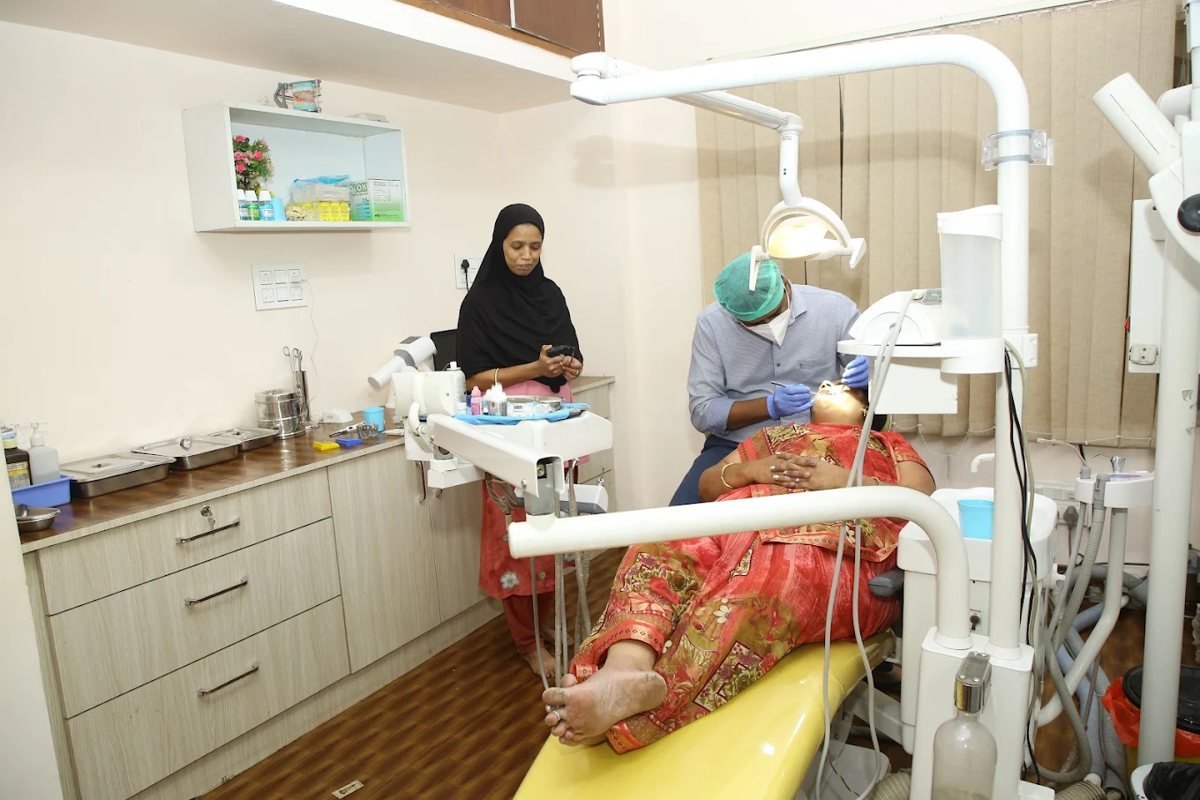
Procedures are planned individually. Smaller surgeries are done at the clinic, while larger procedures may need general anaesthesia and hospital facilities. Your surgeon will explain where and how your treatment will be done, what to expect and how long recovery may take.
This page is for general information and is not a substitute for a dental consultation. The right treatment, the time it takes and the result depend on your individual condition, and will be explained after examination.