Why baby teeth matter
Milk teeth may fall out, but they hold space for the permanent teeth, help children chew and speak, and affect how they feel about smiling. Decay in baby teeth can cause pain, infection and early tooth loss, and may harm the permanent teeth growing below. Good habits begun early last a lifetime.
When should my child first see a dentist?
It is a good idea to have a first check-up when the first teeth come through or by the child's first birthday, and then regular visits about every six months. Early visits help your child get used to the clinic, and they let us advise you on brushing, feeding habits and thumb-sucking.
Treatments for children
- Check-ups and teeth cleaning
- Advice on brushing, diet and bottle feeding to prevent cavities
- Fillings for cavities in milk and permanent teeth
- Treatment of infected milk teeth and extraction when needed
- Fluoride application and preventive care where advised
- Assessment of crooked teeth, bite and jaw growth — early orthodontic advice
- Care after a fall or injury to the teeth and mouth
Making visits comfortable
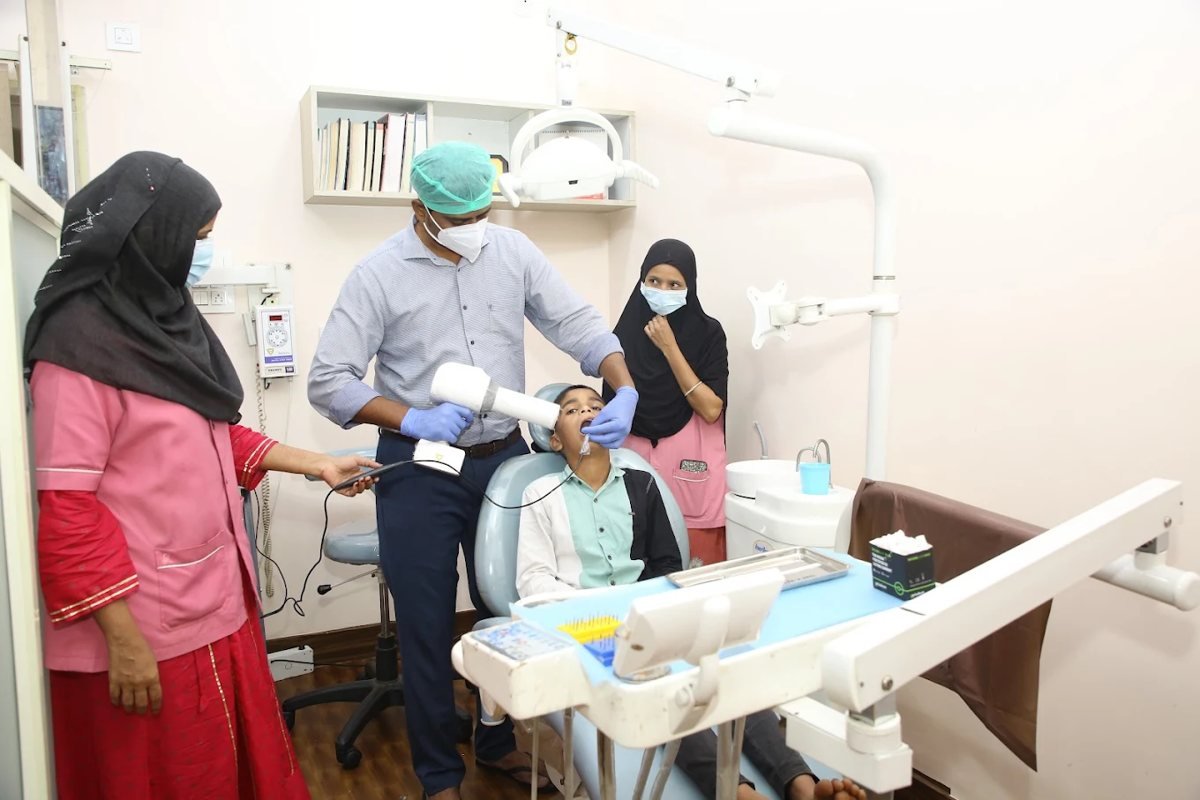
Children do best when they feel safe. We explain what we are going to do in simple words, go at the child's pace and involve parents in the visit. Please avoid using the dentist as a threat at home, and tell us if your child is anxious, so that we can plan the visit accordingly.
What parents can do at home
- Brush twice a day with a smear (under 3 years) or pea-sized amount (3–6 years) of fluoride toothpaste, and help your child brush until about 7–8 years
- Limit sweets, chocolates and sugary drinks, especially between meals
- Avoid putting a child to sleep with a feeding bottle containing milk or sugary liquids
- Bring your child for regular check-ups, even when there is no pain
This page is for general information and is not a substitute for a dental consultation. The right treatment, the time it takes and the result depend on your individual condition, and will be explained after examination.